JOIN THE CREW | $50 OFF YOUR FIRST PURCHASE | $249 MIN SPEND SIGN UP
JOIN THE CREW | $50 OFF YOUR FIRST PURCHASE | $249 MIN SPEND SIGN UP
Adventures
Flying Adventures
Flying Adventures
Driving Adventures
Driving Adventures
Shop all Driving Adventures
V8 Supercar Experiences
V8 Hot Laps
Rally Driving
Defensive and Stunt Driving
Quad Biking
F1 Style Driving
Supercar Drive Days
Off Road Racing
Sports Car Rentals
Drifting
Formula Ford Experiences
Extreme 4x4
4WD Training
Motorbike Rides and Trike Tours
Go Karting
Harley Rides
Radical Race Cars
F1 & Racing Simulators
Classic Car and Muscle Car Hire
Water Sports
Water Sports
Shop all Water Sports
Jet Ski
Cruises
Fishing
Whale Watching
Jet Boat Rides
Shark Diving
Kayaking
Swim with Whales
Scuba Diving
Great Barrier Reef Tours
Sailing
White Water Rafting
Swimming With Dolphins
Parasailing
Jet Pack and Flyboard
Surfing
Stand Up Paddle Boarding
Kiteboarding and Windsurfing
Snorkelling
Swim with Seals & Sea Lions
Wakeboarding
Land Adventures
Land Adventures
Shop all Land Adventures
Indoor Activities
Theme Parks
Skiing and Snowboarding
Snow Adventures
Horse Riding
Attractions
Aquarium, Zoo & Animals
Tours
Flying Fox & Tree Adventures
Canyoning
Segway Tours
Escape Rooms
Bridge Climb & Landmark Tours
Abseiling
Clay Shooting
Ghost Tours
Axe Throwing
Rock Climbing
Golf
Virtual Reality
Paintball
Hiking and Bushwalking
Smash and Splash Rooms
Bungee Jumping
Caving
Laser Skirmish
Mountain Biking
Brewery Tours
Animal Adventures
Bike Tours
Overnight Adventures
Gourmet Adventures
Special Offers
Weekend Adventures
New Arrivals
Best Sellers
Winter Adventures
Summer Adventures
Extreme Adventures
Low Footprint Adventures
Family Adventures
Ocean Adventures

Location
New South Wales
New South Wales
Queensland
Queensland
Victoria
Victoria
South Australia
South Australia
Tasmania
Western Australia
Western Australia
Northern Territory
Australian Capital Territory
Location
North Island
South Island
Inspiration
Beginner's Guide to Whale Watching
Keen to see a whale? Australia has front-row seats to one of the biggest migrations in the world. With whale watching season kicking off, we spoke to the expert from GO Whale Watching in Sydney, Simon Millar, and found out everything you need to know before you go on a whale watching adventure.
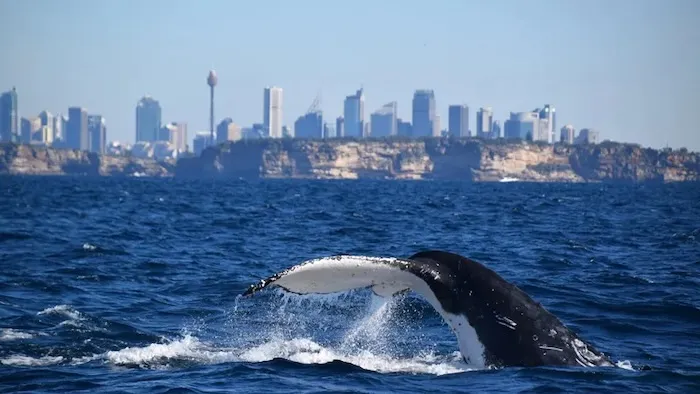
How Likely Am I to See a Whale?
Your chances of seeing a whale are very high. In Australia, we see over 60,000 humpbacks migrating past our shore. With 35,000-45,000 humpback whales expected on the east coast alone, Simon says they see most of these whales coming through the season.
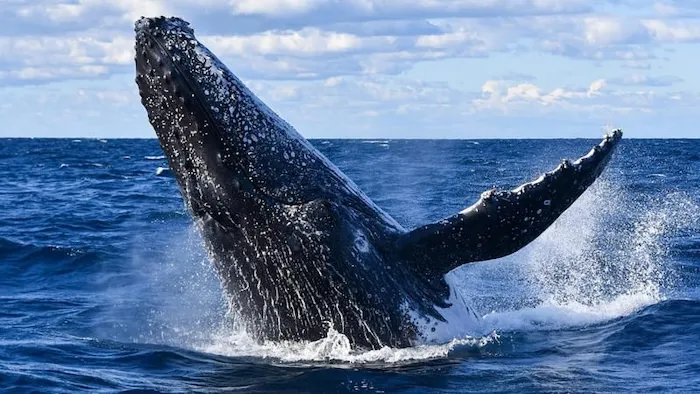
While it isn’t guaranteed you’ll see a whale breach, they often come up to blow, do a tail slap or pectoral fin slap.
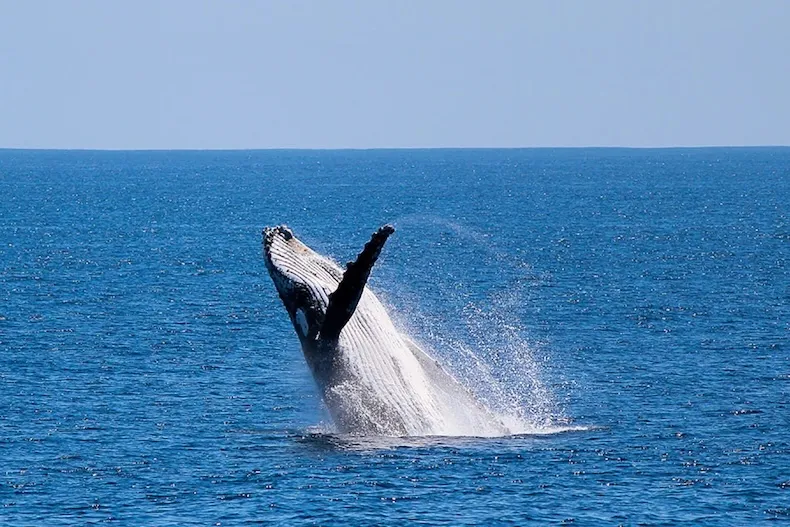
What Whales Will We See?
The most common whale we see in our waters is the humpback whale, but it isn't uncommon to see other species, including the minke and southern right whale.
Other than whales, dolphins are known to make an appearance. You might also see sea birds as they like to hang around, feeding off the barnacles that come off the whales.
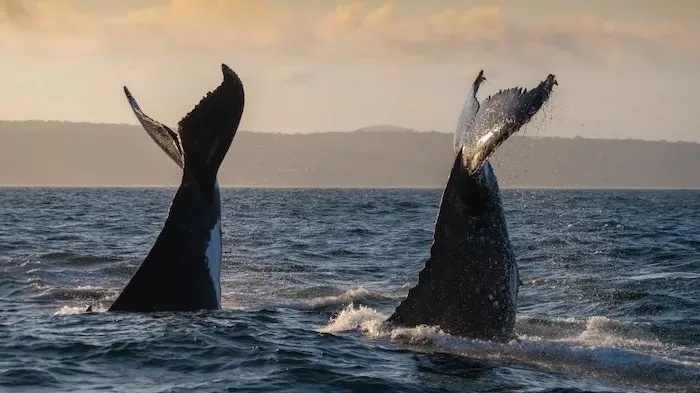
Why Do Whales Breach?
Whales breach for a few reasons but one big factor is the wind. In windy conditions, the ocean becomes rough and noisy. The whales have sensitive hearing and react to the noise becoming more active, coming up more often. Simon also pointed out that it’s thought they like feeling the wind on their skin.
Another reason is communication. Breaching is a way for whales to communicate over long distances. It is also a way for them to clean themselves of the barnacles.
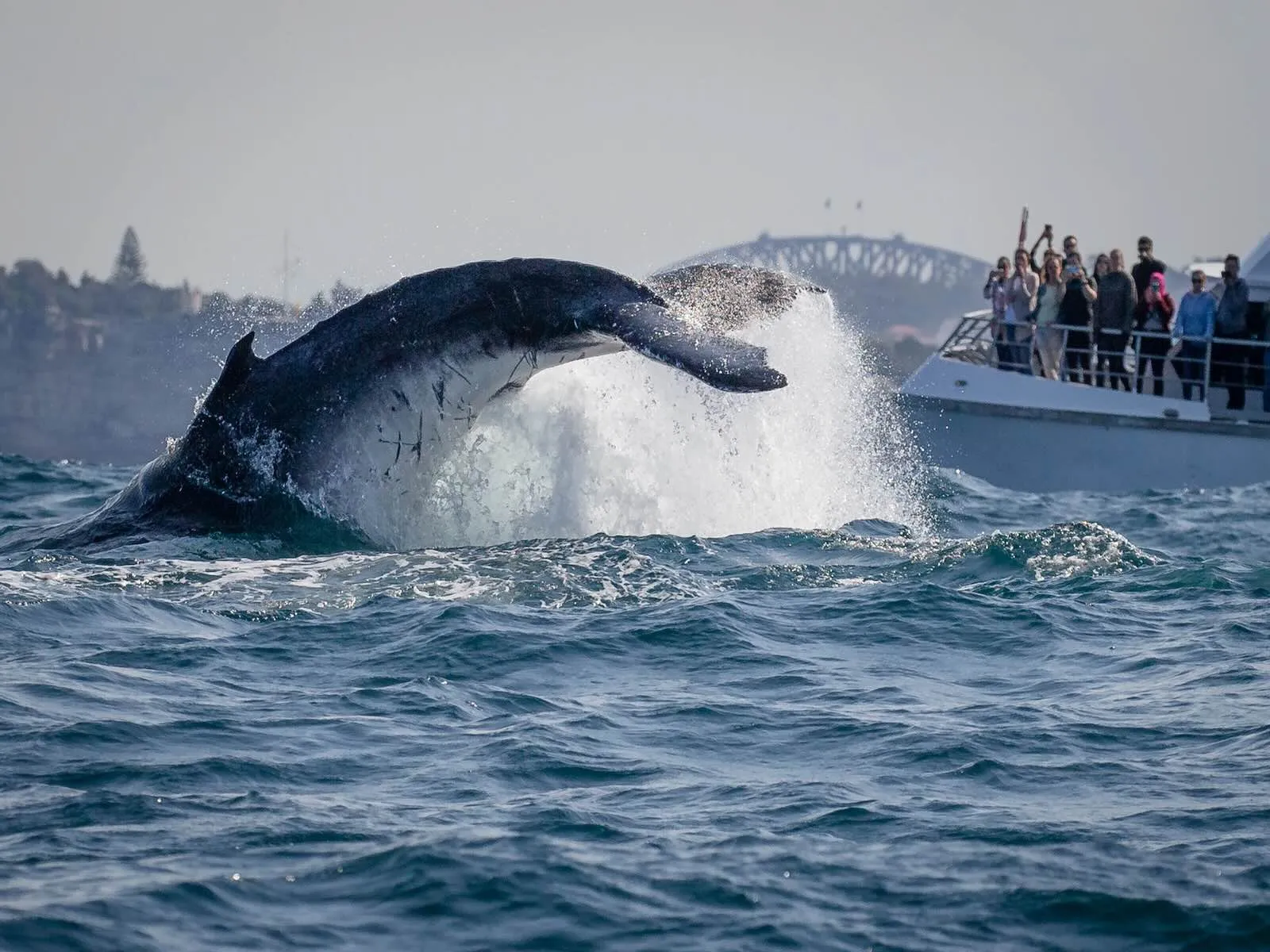
What To Wear Whale Watching?
The biggest tip is to dress for comfort. It can get chilly on the water, so a warm jacket and a few layers are recommended. Bring sunscreen and a beanie or hat as you'll also be under the sun.
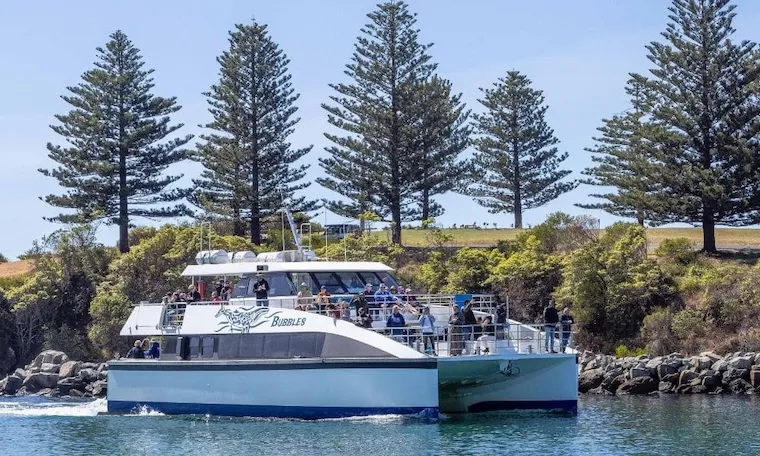
How Can I Avoid Seasickness?
If you're prone to seasickness, see a pharmacist beforehand because once you’re on the boat it’s too late. Wearing a sea band, taking ginger tablets and sitting in the fresh air on the lower deck can help while on board. Simon also recommended booking a morning session because it’s usually not as choppy.
What Can I Do To Get Good Footage of Whales?
The main things you need are a camera and a portable charger, so your battery doesn’t die on you. You'll want to keep your eyes on the water and be patient as a whale can appear at any moment. A tripod is also handy - just don’t leave it unattended, you don’t want it to fall when the boat gets rocky.
Where Can You Go Whale Watching in Australia?
With migration happening on both the east and west coast, you’ll find Adrenaline whale watching cruises all around the country, with some of the best tours in Sydney, Jervis Bay, Hervey Bay and Perth. Interested? This is only available from May through to November, so get in quick.